China Unveils Revolutionary Brain Chip Technology to Help Paralyzed Patients Control Devices
China's approval of a coin-sized brain chip called NEO paves the way for people with paralysis to control devices using their thoughts, raising significant questions about its potential impact on society and future medical advancements. The breakthrough technology has sparked big questions about how it will be used and regulated in the coming years.
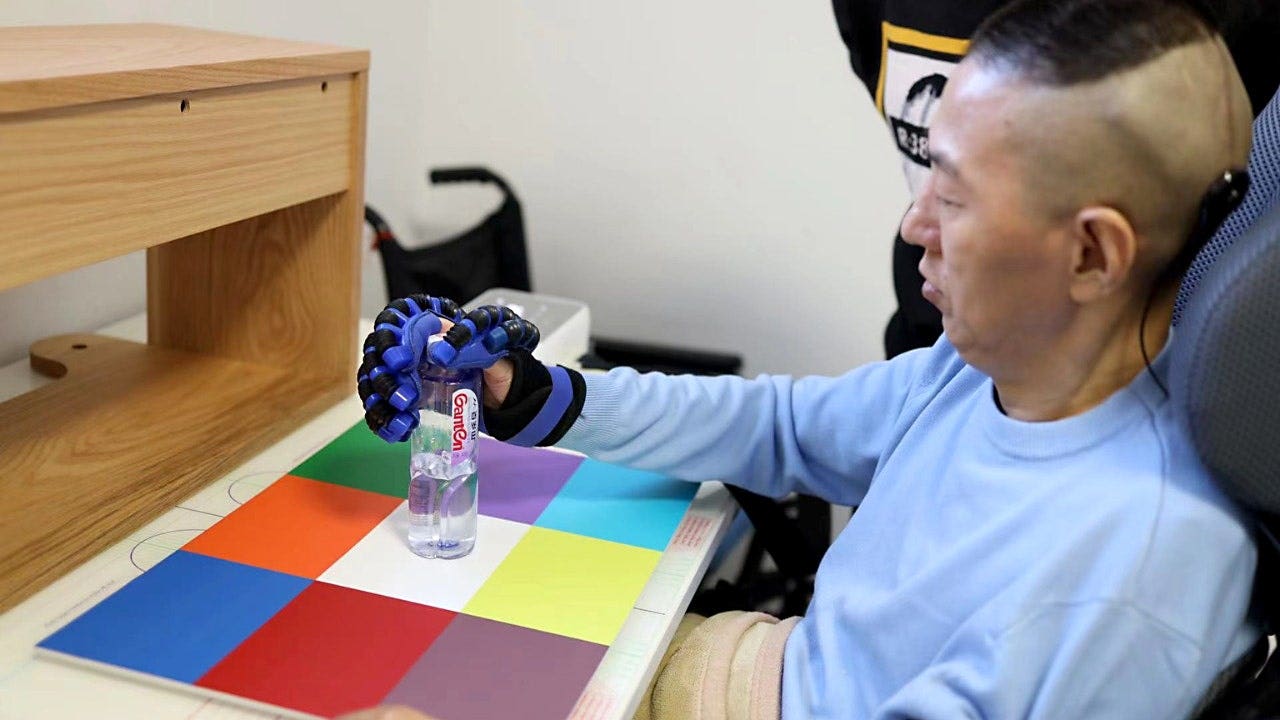
China's approval of a coin-sized brain chip called NEO has sparked significant interest and raised big questions about its potential to help people with paralysis control devices using their thoughts, marking a major breakthrough in the field of brain-computer interfaces for commercial medical use. The technology has the potential to revolutionize the way patients interact with the world, but concerns over ethics, safety, and accessibility have been raised. Researchers say NEO could enable people with paralysis or other motor disorders to communicate and interact with others through complex gestures and movements. As the technology continues to advance, it is expected to have far-reaching implications for the medical community and beyond.