Robots Gain Sensory Ability as Bionic Hands Teach Them to Feel and Adapt
Robots have made significant advancements in performing tasks that require speed, repetition, and endurance, but researchers are now working on giving them a sense of touch, teaching bionic hands to robots that can feel and interact with delicate objects.
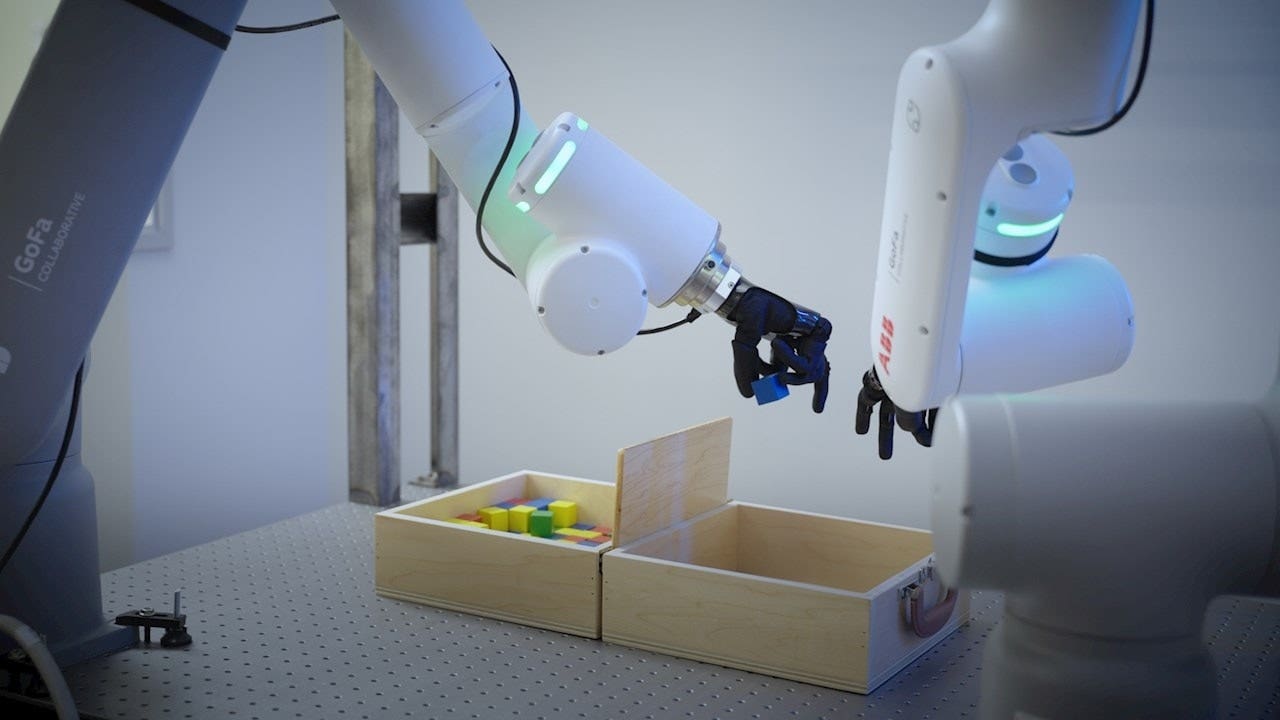
Bionic hands are now teaching robots to feel by providing them with tactile feedback, allowing machines to grasp and manipulate objects more accurately and with increased precision, a significant step forward in their development and capabilities. This technology has been successfully applied to various tasks such as picking up delicate items, handling oddly shaped objects, and identifying subtle differences between similar objects. The integration of bionic hands into robots is expected to have far-reaching implications for industries that require high levels of precision and dexterity. By learning to 'feel' in the same way humans do, robots are becoming increasingly capable of performing complex tasks with greater ease and accuracy.